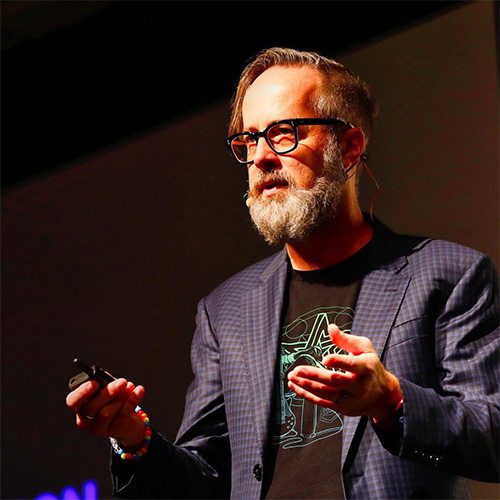
whurley
CEOStrangeworks
2026 speaker
Speak at All Things AI
Looking to speak? Go to events.allthingsai.org and check the latest open opportunities — conference CFPs, meetups, and more.
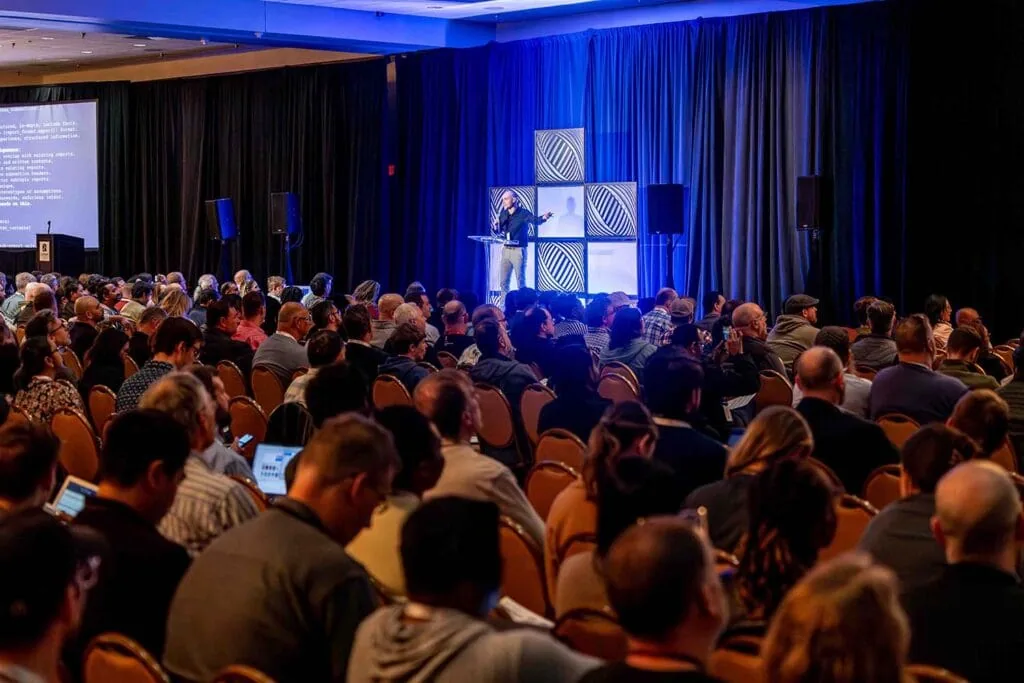
People who’ve shared our stage
You don’t need a famous name. You need a useful story. Titles as recorded for those appearances — not a 2027 announcement.
CEOStrangeworks
2026 speaker

Global VP of Developer RelationsBlock
2025 speaker

Partner / CTOMcKinsey
2026 speaker

Field CTOMicrosoft
2026 speaker
Co-author, The DevOps HandbookAI CIO
2026 speaker

VP of Global CommunityTorc.dev
2026 speaker

Sr. Solutions ArchitectAWS
2026 speaker
Executive DirectorEcho-NC
2026 speaker
A room worth sharing with
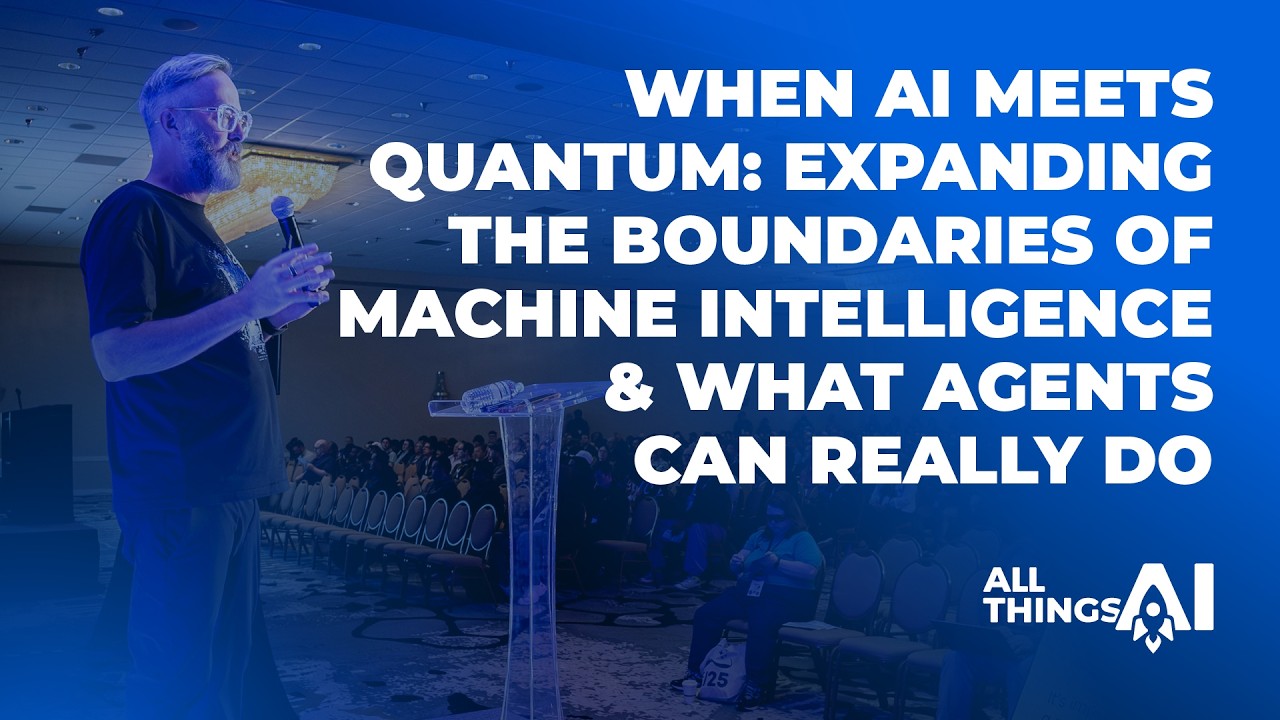 2026 keynotewhurley: When AI Meets QuantumThe CEO of Strangeworks on expanding the boundaries of machine intelligence.Watch the keynote →
What makes a talk land
01
Start with something real. Make it specific enough that someone in the room recognizes it.
02
Show how you got there. Bring the demo, the trade-offs, and the parts that broke.
03
Leave people with an idea, method, or tool they can use back at work.
The platforms, infrastructure, and change management behind AI at scale.
Practical adoption: professionals using AI to work better, in every department.
Founders and product teams shipping AI-native products.
LLM applications, agents, RAG, and evals. The engineering of production AI.
Strategy, ROI, and organizational change for the leaders deciding what's next.
Risk, security, policy, and deploying AI responsibly.
A real deployment from start to finish, or a demo that shows what's possible.
Five-minute talks through real experiences with AI.
Ignition Talks
Ignition Talks are five-minute talks meant to spark something in the room: an idea, a lesson learned the hard way, or a pointer to another place to keep learning about AI, in the Triangle and beyond. Five minutes leaves no room to wander. You have to know your point and make it. That is a skill worth building, because in AI and in business, communication skills matter.
The Triangle has plenty of people with something worth saying and not enough places for new speakers to say it. We want to change that and build a strong speakers bureau here. When a new voice gets the stage, it can be powerful. Yassah Reed, a technical support engineer at Intercom, gave an Ignition Talk on who the algorithm saves when AI shapes healthcare decisions. It was so compelling we made it a keynote at All Things AI 2026.
Watch Yassah’s talk →Prepare your Ignition Talk: five minutes, one idea, one win, one example →
What an Ignition Talk is
Five minutes
Short enough for a first-time speaker, tight enough to make every sentence count.
Inspire, then point the way
Leave people fired up and aware of other places to learn and get involved.
Your story
What you built, what you learned, what you think the rest of us are missing.
New voices welcome
You do not need a title or a following. You need something worth saying.
We want to give you the platform to share your story.
Speaker FAQ
Working on your proposal? Our speaker submission FAQ covers your topic, background, speaking examples, and how to make people want to hear more. Once you have a topic, explore our speaker resource library for keynote examples, slide design, rehearsal, and research.
A real problem, the work you did on it, and a takeaway people can use back at work. Name something specific enough that someone in the room recognizes it, show how you got there, including the trade-offs and the parts that broke, and teach rather than sell. The best talks we've hosted tell the story of what didn't work as honestly as what did.
Five things: a title that says what people will learn; an abstract that names the problem, what you did and what attendees leave with; who the talk is for and what they need to know already; what you'll show, such as a demo, code, data or a before-and-after; and why you are the person to give it, which usually means you did the work yourself.
Say what the audience gets, in plain words. "How we cut our agent's error rate by grounding it in our ticket history" tells a reviewer and an attendee exactly what the session is. A clever title with no subject makes both guess. Keep it short enough to read at a glance on a schedule.
Long enough to answer three questions: what problem, what you did, and what people take away. For most talks that is one or two short paragraphs. Reviewers read a lot of abstracts; specifics stand out and filler doesn't.
The common reasons are an abstract too vague to tell what the talk covers, a talk that is mostly a product pitch, a general introduction that repeats what most attendees already know, and no clear takeaway. A narrower topic you know deeply beats a broad survey.
Yes. Vendor talks that show what is possible, with real work and honest limits, are welcome. A talk that is mainly a product pitch is not a fit for the program. If you want product time in front of attendees, sponsorship is the place for it.
No. You don't need a famous name; you need a useful story. If you are newer to speaking, a five-minute Ignition Talk is a good first stage, and you can talk an idea through with us before you submit.
Sessions are 25-minute talks. Ignition Talks are five minutes, so you have to make one sharp point; they are meant to inspire and to point people to other places to learn. Workshops are hands-on, with attendees working along on their own laptops.
If it shows the work, yes. Live demos are often the part people remember. Bring a backup, such as a short recording or screenshots, so a flaky connection doesn't take the talk down with it.
Yes. The All Things AI 2027 call for proposals is open now and closes January 1, 2027. Use the Submit a proposal button on this page to read the guidelines and send your idea.
How to apply
Speaking openings change with each event. Visit events.allthingsai.org and look for the current call for proposals, meetup speaking slots, and other ways to get on stage.