Build AI skills for work.
We teach practical AI skills all year: monthly meetups, webinars, instructor-led training, Build an Agent Day and a conference every spring. Scholarships and free seats keep cost from deciding who gets to learn.
Start with the work you already know. Bring a real task, practice next to people doing the same, and leave knowing how to use AI in your job, and who to call when you get stuck. No programming experience required.
Cost in the way? See AI scholarships and free seats

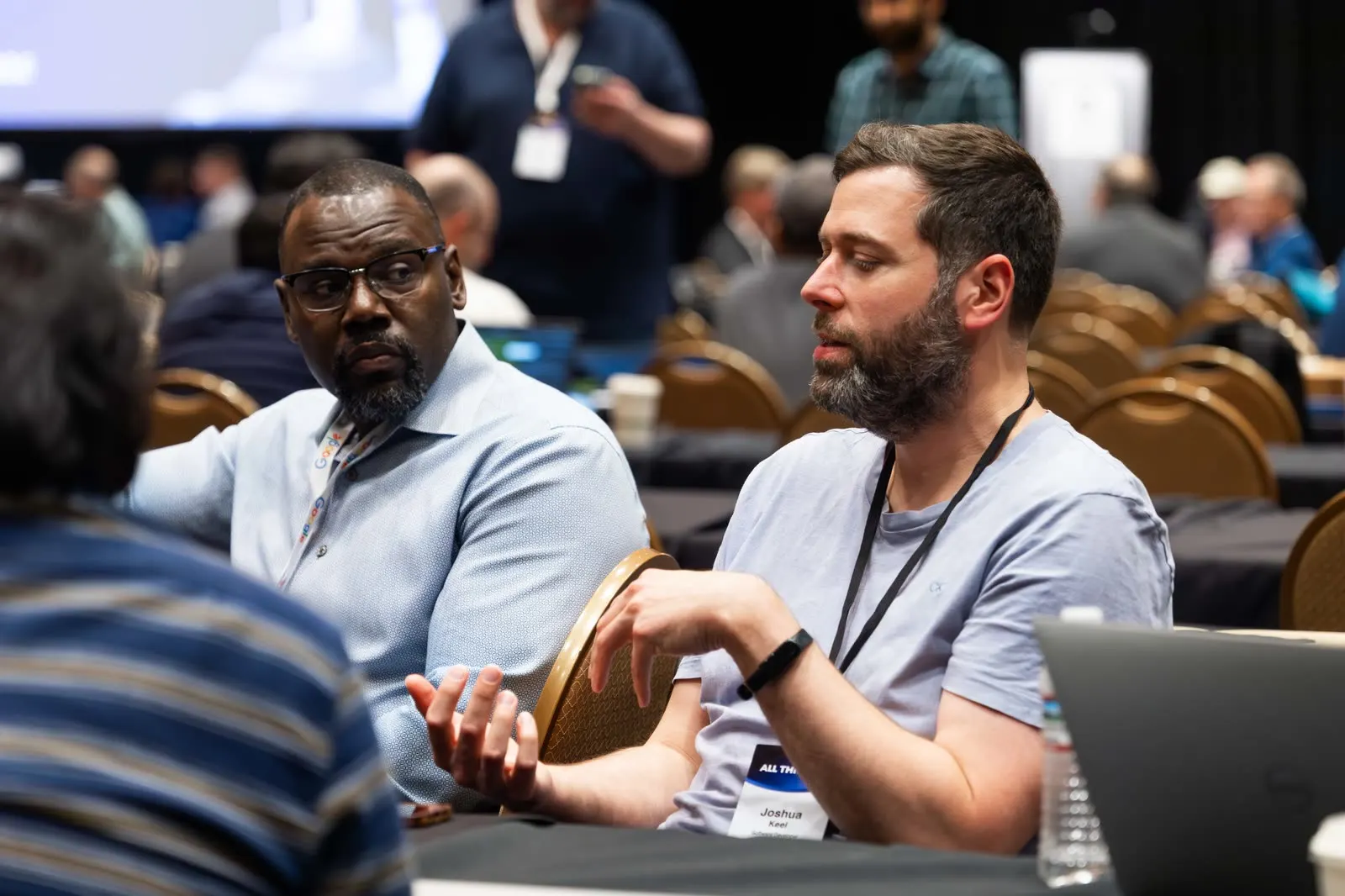
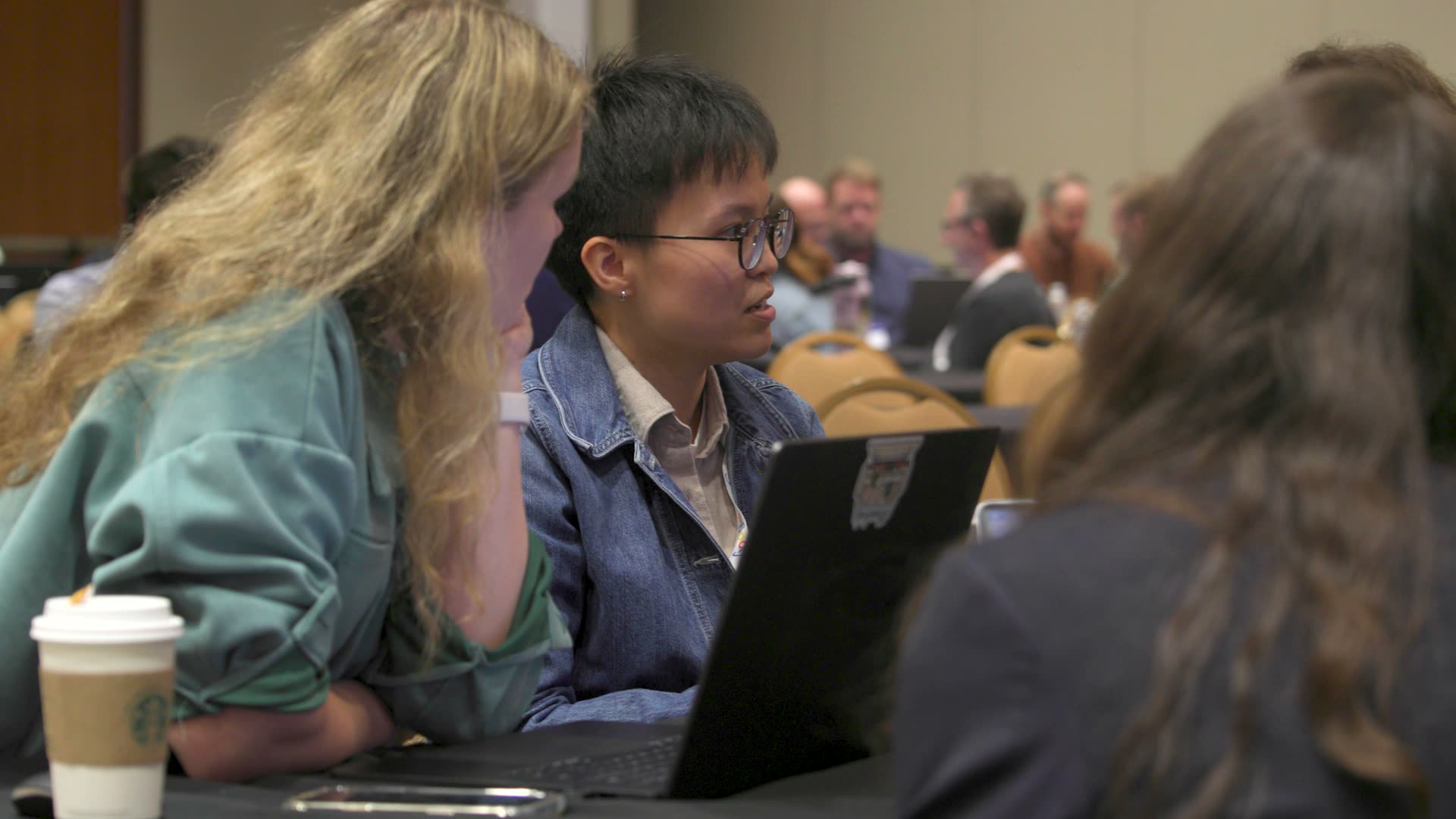
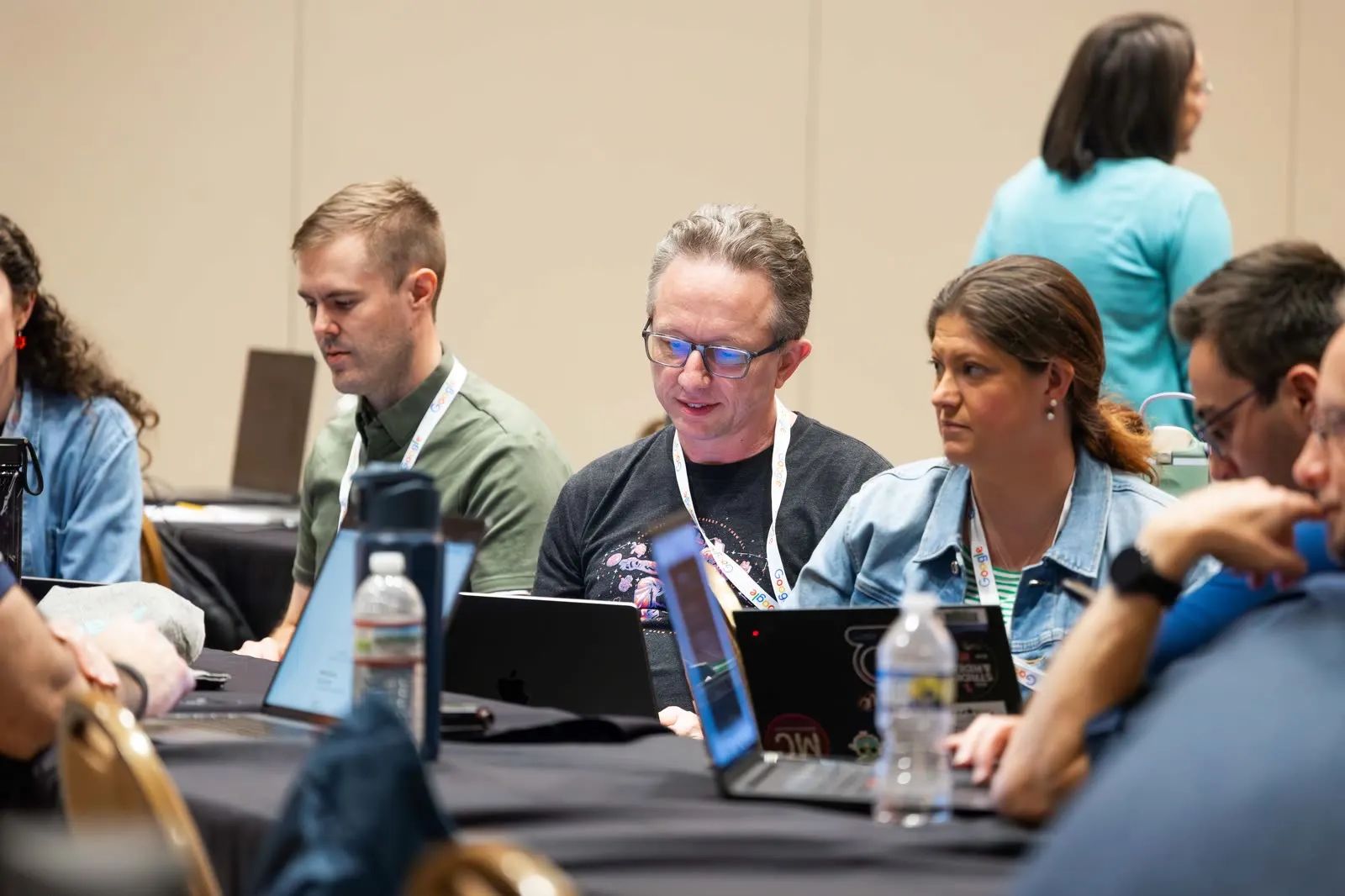
Some of the photos in the mosaic

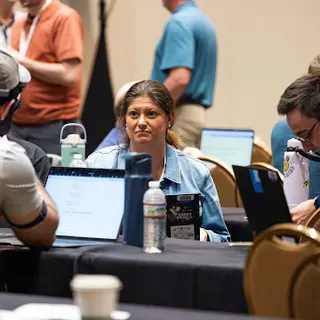

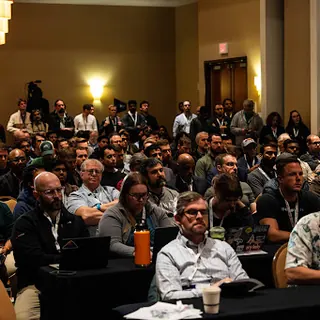
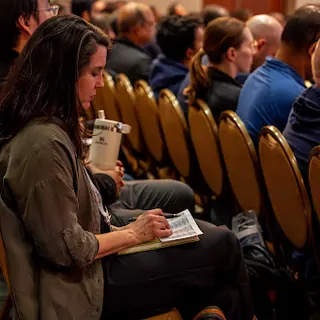
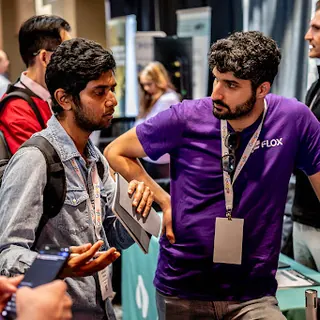
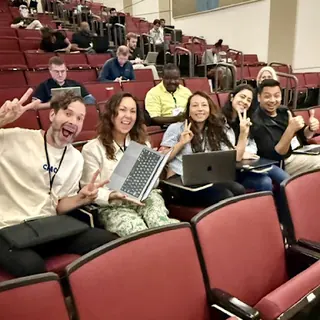
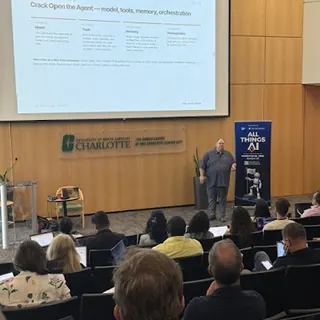
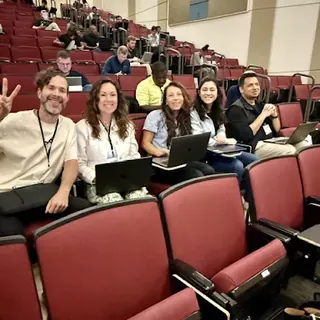
Where you build AI skills with us
Nobody gets good at this in one conference, and we don't pretend otherwise. A demo can spark an idea. Practice, feedback and people doing the same work turn it into something you can repeat. So we teach all year, and each program is a different way in.
Meetups
Ask questions, see how people nearby use AI in their jobs, and learn alongside the community. All Things AI (Live) is free to join: 5,025 members and over 70 events of our own since April 2023, from online lunch and learns to meetups around the Triangle.
Webinars and recorded sessions
Take one topic at a time, online. Conference sessions stay available as slides and recordings, so you can come back to a useful idea when your work calls for it.
Hands-on workshops
Hands-on workshops at All Things AI 2027, taught by people who do the work. The program is published on the event page.
We hold seats back in every workshop for students, career-changers and veterans. 74 of them went that way in 2026.
Build an Agent Day
One day to build an AI agent for a piece of your own job. No programming experience required.
Building responsibly continues after the day: clear requirements, testing, security, maintenance and ongoing improvement.
Our annual conference
Learn from people applying AI in their work, and meet peers working through the same questions. The week opens with the Agent Hackathon, free and open by application. All Things AI 2027 is April 18–20, 2027, in Raleigh.
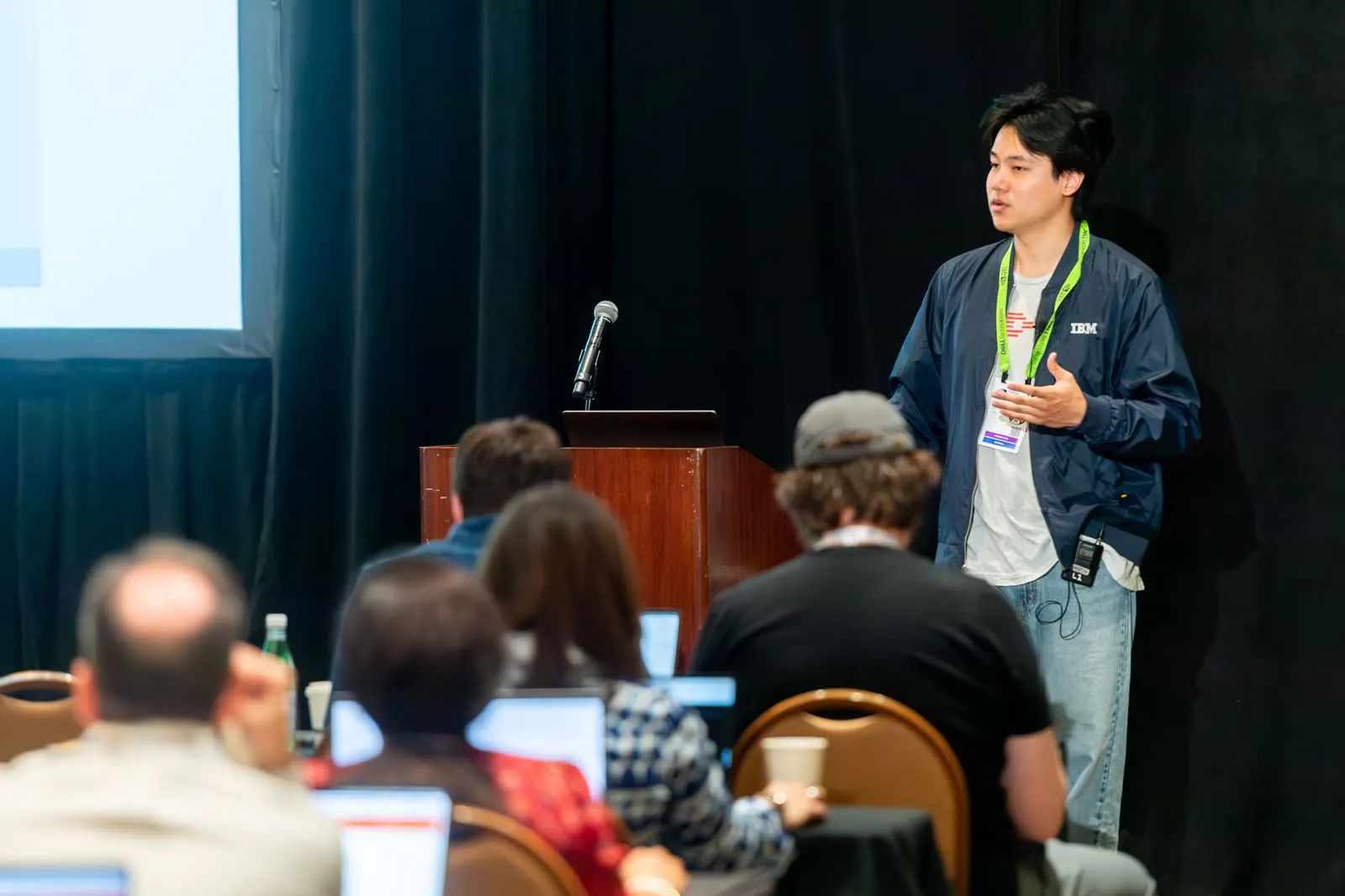

An AI future everyone can take part in
We believe AI is the most important technology shift of our time. Without real training at every level, it widens the gap between the people who have the skills and the people who don't.
So we teach. Executives and students, founders and veterans, engineers and people who have never written a line of code, in the same sessions on purpose. Nobody gets tested at the door, and we explain the acronyms.
We're rooted in North Carolina's Research Triangle, and we don't think the future should be zoned for Silicon Valley. Anyone who wants in is welcome.
The skill underneath is AI fluency
AI fluency is the practical ability to work with AI: choose a useful task, explain what you need, evaluate the result, and take responsibility for how it is used. It grows through hands-on practice, subject knowledge, and human judgment.
Models and tools change. The habits of framing a problem, checking an answer, protecting sensitive information and knowing when to ask a person stay useful. We teach them with four plain words, our own shorthand for everyday work with AI. Here they are on one familiar task: turning meeting notes into an action list.
Choose
Start with a real task and a clear outcome.
Example
Turn approved meeting notes into a draft action list. Keep confidential information out of the tool unless you have permission to use it there.
Guide
Explain the audience, context, constraints and what a useful result looks like.
Example
Ask for an owner and a due date for each task, and an “unclear” label wherever the notes leave a detail out.
Check
Compare the output with the source and test important claims.
Example
Confirm that every task and due date appears in the notes. Correct anything that was left out or invented.
Improve
Use feedback to make the process more reliable, and decide where a person reviews it.
Example
Update your instructions, try another set of notes, and review the list before you share it.
Cost shouldn't decide who gets to learn AI
In 2026, 807 people came to the conference on a free seat, 173 of them through Ada Lovelace Scholarships and the access programs we run with community partners. For 2027 we've committed to at least 500 scholarship and access seats. Every scholarship is a full seat, and anyone can fund one.
AI scholarships and free seats- free conference seats in 2026
- 807
- through scholarships and access programs
- 173
- scholarship and access seats committed for 2027
- 500
Questions about building AI skills
How does All Things AI help people build AI skills for work?
Through monthly meetups, webinars and recorded conference sessions, instructor-led training at our annual conference, Build an Agent Day, and the conference itself every spring. Bring a real task from your job, practice with feedback, and keep checking the results.
What is AI fluency?
AI fluency is the practical ability to work with AI: choose a useful task, explain what you need, evaluate the result, and take responsibility for how it is used. It grows through hands-on practice, subject knowledge, and human judgment.
Do I need to know how to code?
No. You can begin with everyday tasks and the subject knowledge you already have. Programming becomes useful for some advanced projects, but it is not a requirement for starting or for Build an Agent Day.
Are there scholarships or free seats?
Yes. In 2026, 173 people came to the conference on a free seat through Ada Lovelace Scholarships and the access programs we run with community partners, and 74 of those seats were in hands-on workshops. We have committed to at least 500 free seats for 2027. A scholarship is a full seat: badge, lunches and evening receptions included. Our AI scholarships page explains who they are for, how to get one and how to fund one.
Bring a task. Bring your questions. Start where you are.